What to Have Ready Before You Call a Desentupidora Lauzane Paulista
Before you dial, have three things in hand: the exact address with any access instructions, a clear description of what is backing up and where, and someone on site who can open gates, garages or utility rooms. That is the short answer to the search intent behind desentupidora Lauzane Paulista — people in this São Paulo neighborhood are usually in the middle of a problem and need a team dispatched, not a lecture. As a support technician who has handled these tickets, I can tell you the calls that go smoothly are the ones where the caller prepared those basics before the truck rolled out.
Lauzane Paulista sits in the northern zone of São Paulo, an area of mixed residential streets, small commercial fronts and older buildings whose drainage has seen decades of use. When a kitchen sink, a bathroom floor drain or a building’s main sewage line stops flowing, the clock matters. Preparation shortens the response and reduces the chance of a second visit.
Requirements to Confirm Before the Technician Arrives
A dispatcher cannot send the right equipment without knowing what the blockage involves. The first questions on any ticket are about location, symptom and access. Answer them plainly and the job starts faster.
Access and parking details
Give the street name, number and any complement, plus whether the property is a house, apartment, condominium or shop. Mention if the truck needs a gate code, if the garage has a height limit, or if the utility room is behind a locked door. In dense parts of the neighborhood, parking can be tight, so flag any restriction on the street.
What is backing up and where
Describe the symptom in concrete terms: water rising in the shower drain, a toilet that gurgles when the sink runs, a floor drain in the laundry area that overflows, or sewage coming up in a ground-floor unit. Note whether the problem is isolated to one fixture or affects several points at once. A single slow drain often points to a local clog, while multiple backups suggest the main line.
Property type and pipe history
Tell the technician whether the building is old or new, whether there have been previous blockages, and whether any renovation work happened recently. Construction debris, grease buildup and tree roots behave differently, and the history helps the team choose between a manual snake, a rotating cable or hydrojetting.
Who can authorize the work
For rented properties and condominiums, confirm who is allowed to approve the service and payment. A tenant may be present while the landlord authorizes, or the building manager may need to be called. Having that person reachable avoids a technician standing idle at the door.
The Procedure: What Happens From Call to Clear Drain
Once the ticket is logged, the workflow follows a predictable path. Knowing it helps you cooperate instead of guessing.
- Phone triage. The attendant records the address, the symptom and the urgency, then routes the job to a crew with the right tools.
- Dispatch and arrival. A uniformed team arrives with equipment suited to the reported blockage. In emergency cases, the goal is to stop water from spreading before it damages floors or walls.
- On-site inspection. The technician checks the affected drains, looks for overflow points and confirms whether the blockage is local or in the main line.
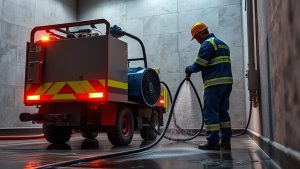
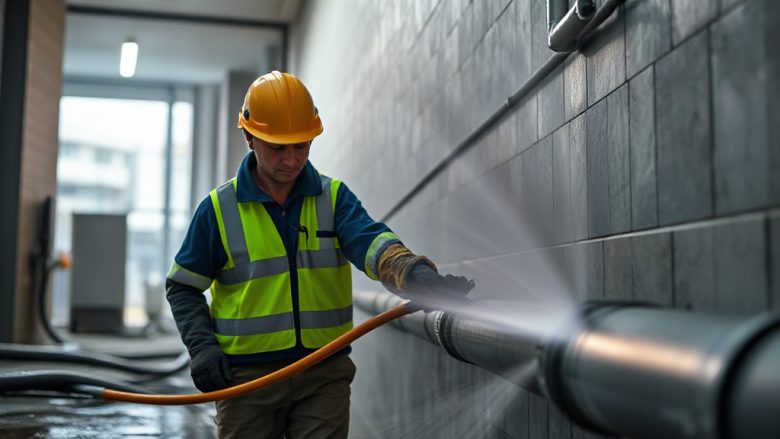
- Clearing the line. Depending on the diagnosis, the team may use a manual auger, an electric cable machine or high-pressure hydrojetting to break up grease, roots or debris.
- Flow test and cleanup. Water is run through the system to confirm drainage, and the work area is checked for residue before the crew leaves.
For a straightforward desentupidora Lauzane Paulista São Paulo SP call, most residential clogs are resolved in a single visit. Larger buildings or main-line problems may need a second stage, especially when hydrojetting is required to clear years of accumulated grease or root intrusion.
Hydrojetting deserves a note of its own. It uses pressurized water to scour the inside of the pipe rather than just punching a hole through the clog. That makes it effective for grease and sediment, but it also means the technician must confirm the pipe condition first. Old or fragile pipes can be damaged by high pressure, so the inspection step is not optional.
Septic tank cleaning is a separate service from drain clearing. If the property relies on a fossa séptica rather than the public sewage network, the crew needs to know that upfront so the right vacuum truck is sent. Mixing up the two leads to delays.
What to Check After the Service Is Finished
The job is not over when the water goes down. A few checks protect you from a repeat call.
- Run water in every fixture that was affected and watch for slow drainage or gurgling.
- Look for leaks around joints, under sinks and at the base of toilets.
- Confirm that floor drains in bathrooms, kitchens and laundry areas empty at a normal rate.
- Ask the technician what caused the blockage and what preventive step would help.
- Keep the service record, including the date and the method used, for future reference.
If the property is a condominium, report the outcome to the building manager so the maintenance log stays current. For a commercial site, note whether the blockage affected customer areas, since that may call for a preventive schedule rather than one-off fixes.
Prevention is where most repeat tickets are avoided. Grease should never go down the kitchen drain, and paper towels, wipes and hair should stay out of toilets and showers. In older buildings, a periodic inspection of the main line catches root intrusion before it becomes an emergency. A reliable desentupidora em Lauzane Paulista São Paulo SP team will tell you when a preventive plan makes sense and when a single clearing is enough.
Frequently Asked Questions
How quickly can a team arrive in Lauzane Paulista?
Arrival time depends on traffic, the time of day and the crew’s current queue. Emergency calls are prioritized, and having the address, access details and symptom description ready when you call helps the dispatcher give a realistic estimate.
Do I need to be home during the service?
Yes, someone must be present to open the property and confirm the work. For rented units or condominiums, make sure the person on site can authorize the service or has the manager’s approval in advance.
Can the technician tell me the cause of the blockage?
In most cases, yes. After clearing the line, the crew can usually explain whether the cause was grease, debris, roots or an older pipe issue. That information is useful for preventing the same problem from returning.
Is hydrojetting always the right method?
No. Hydrojetting is effective for grease and sediment, but it requires a pipe condition check first. Fragile or damaged pipes may need a gentler method, which is why the on-site inspection comes before any decision on equipment.